


As the global firefighting industry moves away from PFAS-containing products, natural polymers are emerging as a critical component in the development of advanced Synthetic Fluorine Free Foams (SFFF). Industry experts believe that polymer technology will play a vital role in maintaining foam performance while meeting increasingly stringent environmental regulations.
Natural polymers are large molecular structures composed of repeating monomer units that occur naturally in biological systems. Common examples include proteins, cellulose, starch, and natural rubber. Due to their biodegradable nature and functional performance characteristics, these materials are receiving renewed attention as sustainable alternatives in firefighting foam formulations.
The use of natural polymers in firefighting applications dates back to the 1970s with the introduction of Alcohol-Resistant (AR) foam technologies. Conventional hydrocarbon firefighting foams often struggle when used against water-miscible fuels such as alcohols, acetone, and isopropyl alcohol, as these solvents rapidly destroy the foam blanket.
The breakthrough came when polymer-based additives were incorporated into foam formulations. Upon contact with polar solvents, these polymers formed a protective barrier between the fuel surface and the foam blanket, significantly improving foam stability and fire suppression performance.
Beyond alcohol resistance, polymer technology delivered additional benefits, including slower drainage rates, stronger bubble structures, improved heat resistance, and enhanced burnback protection. These advantages contributed to the widespread adoption of AR-type foams across petrochemical facilities, refineries, chemical plants, airports, and other high-risk industrial environments.
Today, as the industry transitions toward fluorine-free technologies, manufacturers are revisiting polymer chemistry to achieve the performance levels previously associated with fluorinated firefighting foams. Advanced polymer systems are being engineered to provide blanket stability, fuel separation, thermal protection, and extended firefighting effectiveness without relying on persistent fluorinated compounds.
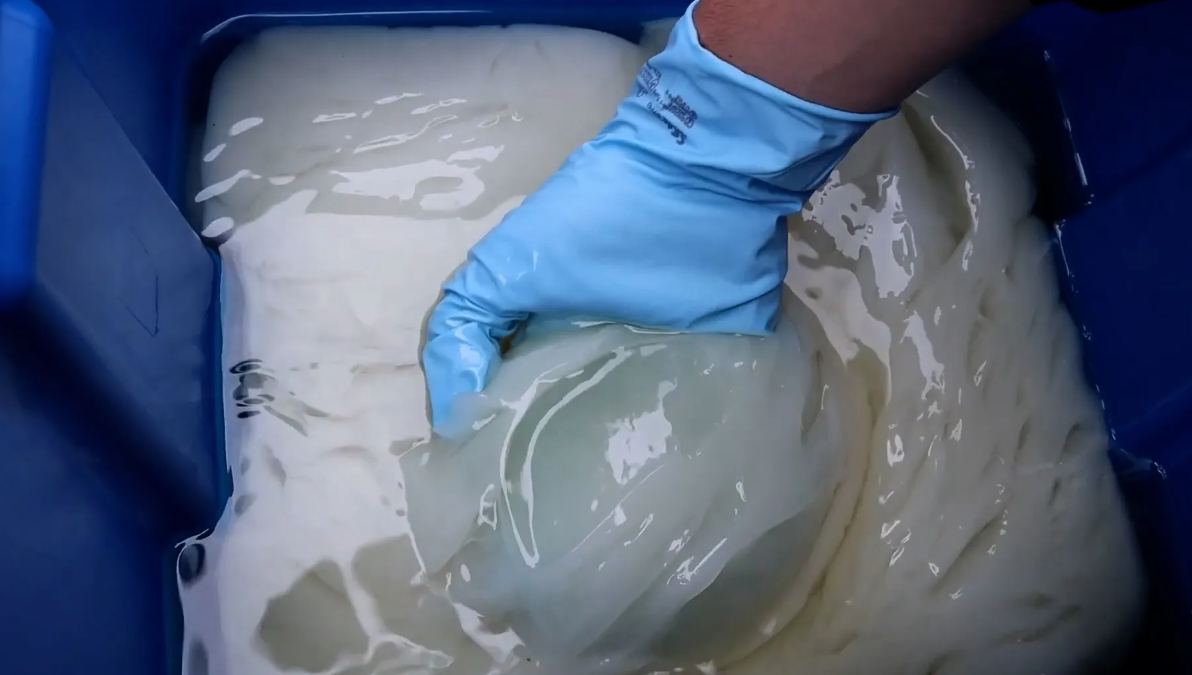
Industry specialists note that proper polymer hydration and dispersion remain critical factors in foam performance. Incomplete hydration or the presence of partially activated polymer structures can negatively impact foam consistency, storage stability, and operational reliability during emergency response situations.
As environmental regulations continue to tighten worldwide, polymer science is expected to become a key innovation area for the firefighting industry. Researchers and foam manufacturers are investing in new formulations designed to balance environmental responsibility with the demanding performance requirements of industrial fire protection.
The growing role of natural and specialty polymers highlights how advanced material technologies are supporting the development of safer, more sustainable firefighting solutions for modern industrial applications.
#firefighting #polymer #polymersglobal#modernpolymers #modernpolymersglobal

