


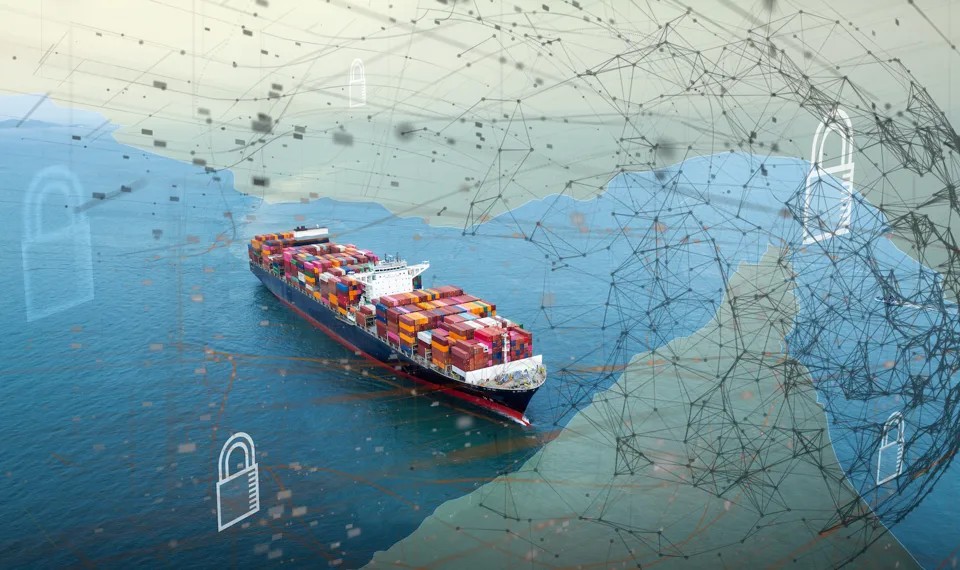
Global polymer markets witnessed significant disruption this week as the ongoing conflict in the Middle East continued to impact production, logistics, and pricing across key petrochemical supply chains.
Trading activity, which had largely stalled earlier, began to gradually resume in major markets including India, Turkey, and parts of Africa. However, suppliers reported substantial price increases across polyethylene (PE), polypropylene (PP), and polyvinyl chloride (PVC) markets as supply concerns intensified.
The situation worsened following reports of operational disruptions at major energy and petrochemical facilities in the region. Supply chain participants cited raw material shortages, logistical bottlenecks, and rising freight costs as major factors contributing to market instability.
Several polymer producers have already adjusted production rates in response to feedstock constraints. Market sources indicate that reduced availability of naphtha and other petrochemical feedstocks has started affecting downstream polymer manufacturing operations across Asia and the Middle East.
The impact has been particularly visible in the polypropylene and polyethylene sectors, where buyers reported sharp increases in import offers. Rising freight charges have further added to procurement costs, making material sourcing increasingly challenging for converters and processors.
PVC markets have also experienced supply pressure, with some suppliers temporarily suspending offers due to limited shipping availability and elevated transportation costs. Industry participants noted growing concerns regarding delivery schedules and the availability of confirmed cargoes.
Meanwhile, disruptions to shipping routes and delays around critical maritime trade corridors have tightened supply conditions for several petrochemical products. Market analysts believe these challenges could continue to affect global polymer availability in the coming months if geopolitical tensions remain unresolved.
Feedstock markets have also reacted strongly. Higher energy costs and concerns over raw material availability have supported price increases across multiple petrochemical value chains, including olefins and derivatives.
Industry observers expect continued volatility across polymer markets as manufacturers, traders, and end-users closely monitor developments in the region. Until supply chains stabilize, pricing trends are likely to remain highly sensitive to geopolitical events and logistics disruptions.
The ongoing situation highlights the strategic importance of the Middle East in global polymer production and reinforces concerns about supply security for industries dependent on imported petrochemical materials.
#AMI #ICIS #polymer #polymersglobal #modernpolymersglobal #modernpolymersindia

